

based upon Titus Andronicus, by William Shakespeare direction Cátia Pinheiro & José Nunes adaptation* Cátia Pinheiro, Hugo van der Ding, José Nunes set design Cátia Pinheiro, Igor Pittella lighting design Daniel Worm d’Assumpção music and sound design Vasco Zentzua video Vasco Mendes costumes Jordann Santos creation assistance Maria Inês Peixoto costumes assistance Beatriz Filomeno set design assistance Paulo Barbosa scientific consulting Joana Ricarte dramaturgical consulting Maria Sequeira Mendes assistance and set construction Igor Pittella, José Ribeiro production coordination Inês Carvalho e Lemos communication and executive production Romana Naruna press Vanda Ribeiro cast Cátia Pinheiro, João Nunes Monteiro, Maria Inês Peixoto, Pedro Frias,Roldy Harrys, Rui Maria Pêgo, Tiago Jácome, Tita Maravilha, Vicente Gil video participation Hugo van der Ding, Joana Ricarte, José Nunes produced by Estrutura co-produced by Centro Cultural de Belém, Teatro Nacional São João thanks Confederação, Hair Fusion Lisboa
* from the translations by José Miguel Silva (Relógio D’Água, 2004), Manuel Gomes da Torre (Relógio D’Água, 2016), José Manuel Mendes, Luís Lima Barreto, Luis Miguel Cintra (Teatro da Cornucópia, 2003).
27 Nov — 07 Dec
( premiere )
Teatro Carlos Alberto
Titus
based upon Titus Andronicus, by William Shakespeare
direction Cátia Pinheiro & José Nunes
Estrutura

post-show talk
november 29
Portuguese Sign Language interpretation
november 29Sinopse do evento
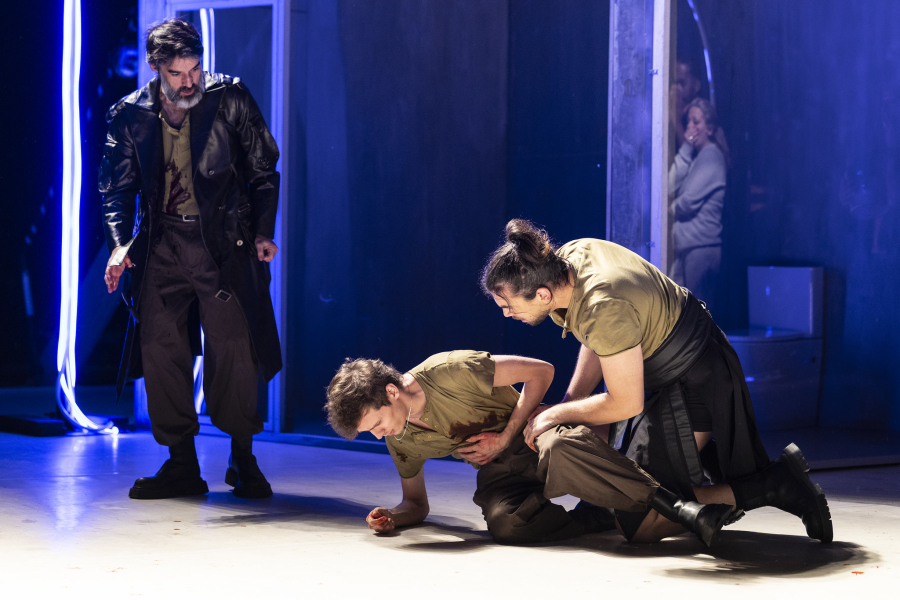
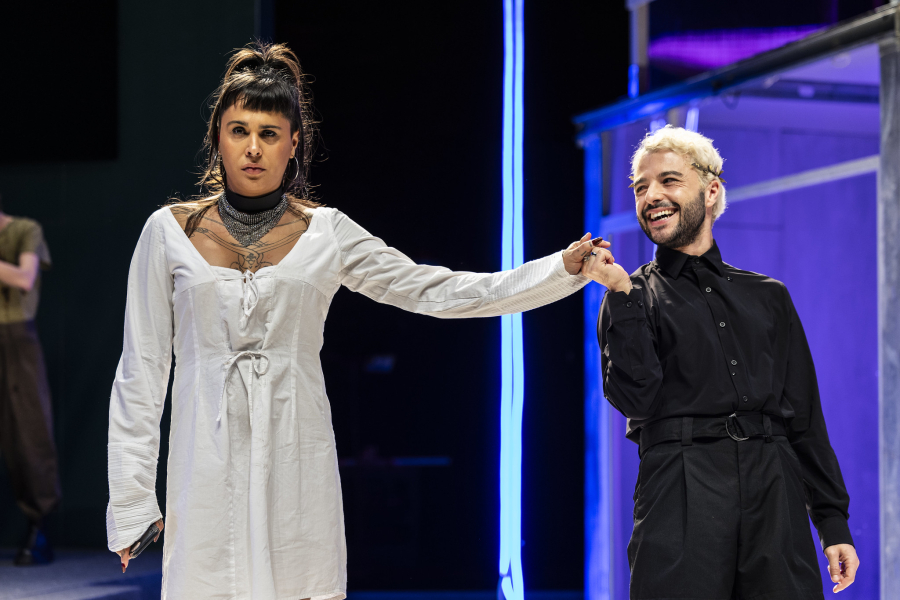
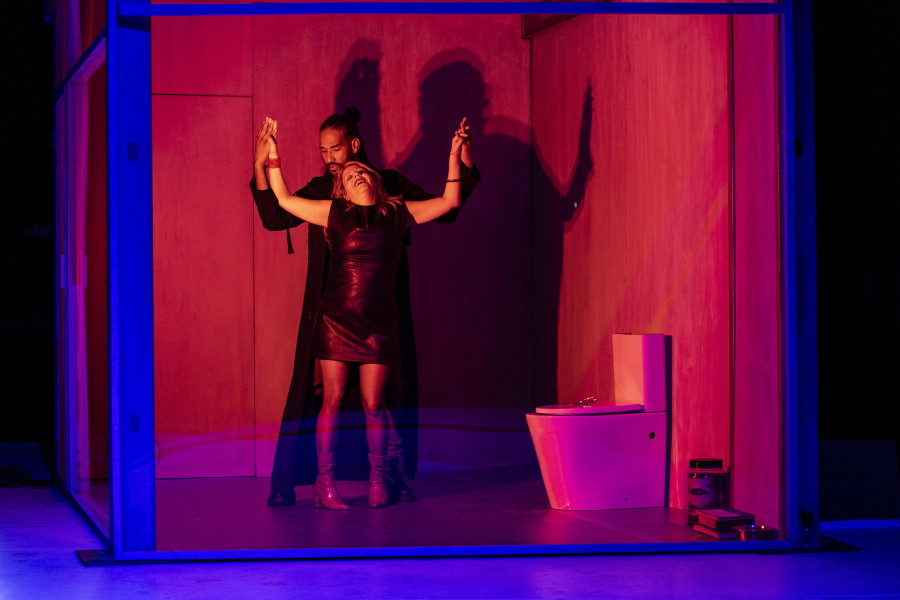
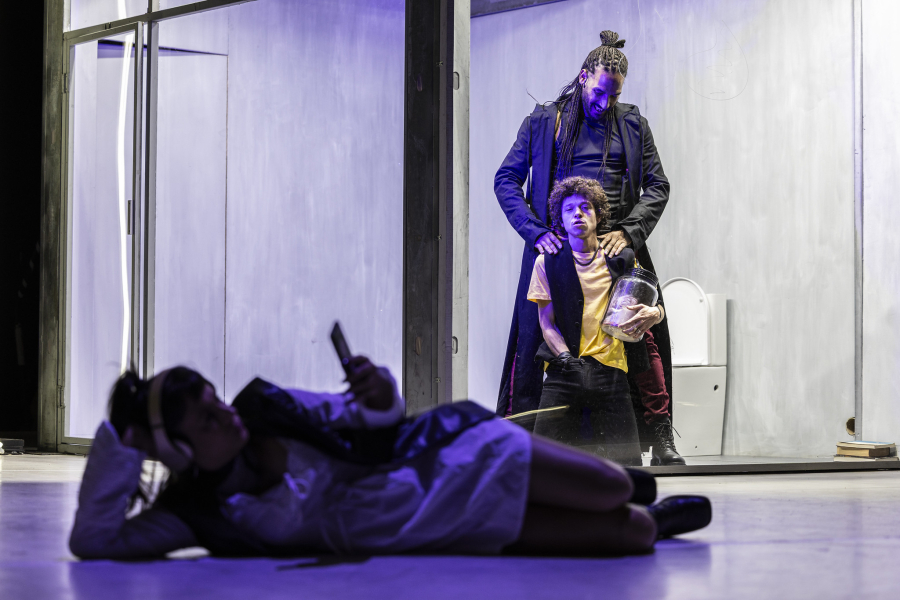
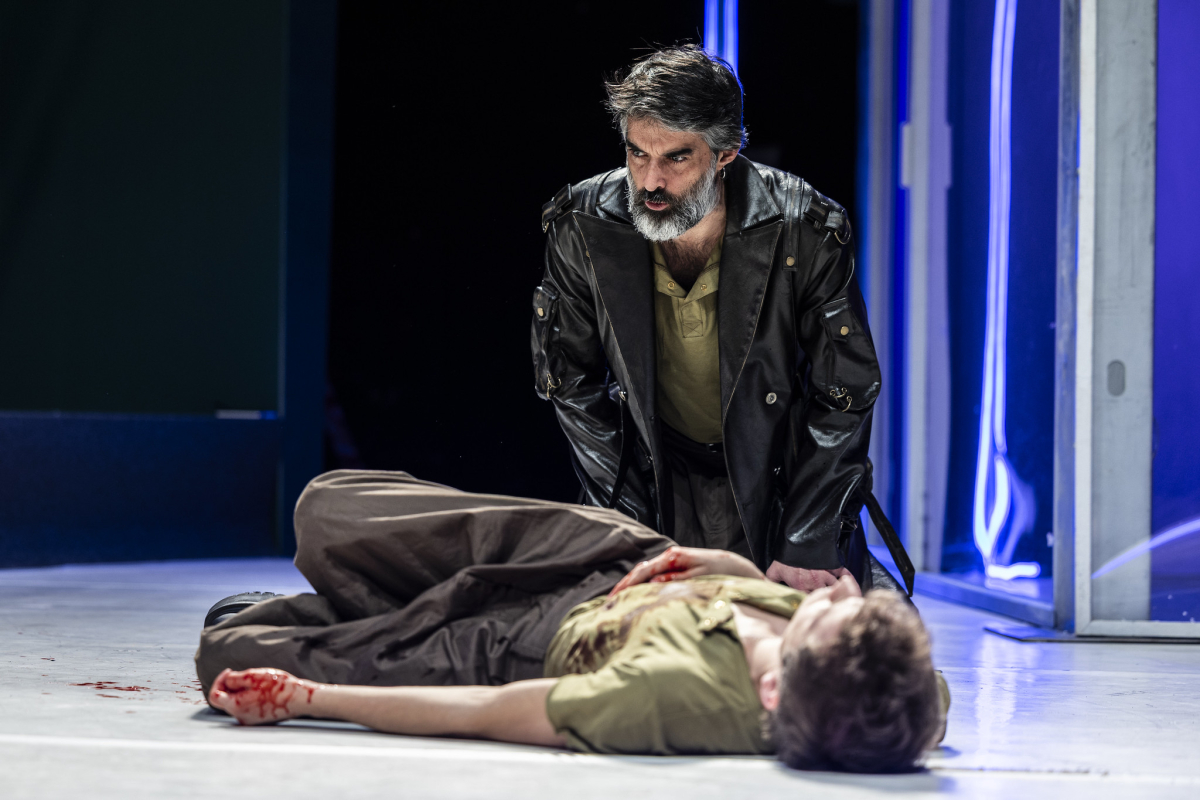
“Let us have our tongues/ Plot some device of further misery/ To make us wondered at in time to come.” Experimental and raw, Titus Andronicus (written in 1589-91, first published in 1594) carries in itself the embryo of all the future tragedies by Shakespeare. In the story of Titus, the general who returns to Rome after vanquishing the Goths, with its bloody power struggles, indistinction between civilisation and barbarity and moral and political decadence, stage directors Cátia Pinheiro and José Nunes discover a “frightening relevance”. Rather than a reinterpretation of Shakespeare’s play, they offer us a critical meditation on how the mechanics of power, revenge and dehumanisation remain active, and even normalised, in contemporary society. Their Titus carries the weight of the present time, of the wars that ravage our days, of our outspoken trivialisation of violence. “O sweet Revenge, now do I come to thee.”
-

© José Caldeira (ensaio)
-
© José Caldeira (ensaio)
-
© José Caldeira (ensaio)
-
© José Caldeira (ensaio)
Credits
Aditional info
wed+thu+sat 19:00 fri 21:00 sun 16:00
playing time 2:30 (With intermission)
Ages 12 and up
School Group Reservations

TOP